The short of it
Google Ads has been automating parts of advertising campaigns for years, but the extent of that automation is increasing. From deciding which searches should trigger an advert to generating copy and choosing landing pages, Google’s systems are taking on more of the decisions that advertisers traditionally managed themselves.
And in many cases, that’s a good thing.
Google has enormous amounts of data about how people search, and its automated systems can identify opportunities that would be difficult or time-consuming to find manually. The problem isn’t necessarily that Google is making more decisions. It’s whether those decisions reflect what your business is actually trying to achieve.
In September 2026, Google began automatically upgrading certain existing Search campaigns using its older automated features to AI Max, a collection of AI-powered campaign tools. New Search campaigns now have AI Max selected by default during setup, although advertisers can adjust the settings.
Depending on which features are enabled, AI Max can expand targeting beyond your existing keywords, generate advertising copy and direct visitors towards different pages of your website.
That could help a business attract customers it might otherwise have missed. Equally, it could introduce searches, messages or landing pages that aren’t particularly useful.
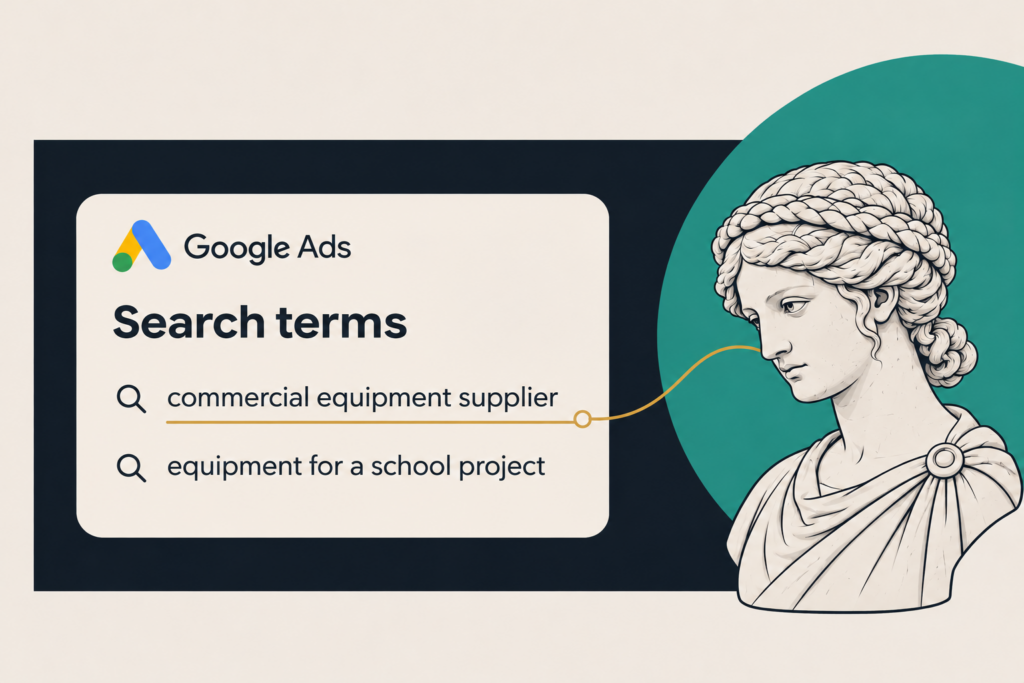
Imagine a specialist engineering supplier whose advertising generates plenty of enquiries, but most are from students, hobbyists or businesses requiring quantities too small to be commercially viable.
Google might report conversions because people are completing forms. But if those enquiries rarely turn into worthwhile customers, increasing the number of conversions doesn’t necessarily improve business performance.
Automation is only as commercially useful as the objectives and information guiding it.
That doesn’t mean businesses should disable every automated feature or return to managing individual keyword bids manually. It means understanding what Google is optimising towards, checking the decisions it makes and ensuring those decisions reflect your actual commercial priorities.
If you’re spending money on Google Ads, you should be able to explain not just how many leads it generates, but whether those leads are worth acquiring.
That’s the short answer. Here’s what I’d examine more closely.
The long of it
What has Google actually changed?
Google’s AI Max introduces additional automation into existing Search campaigns rather than replacing them with an entirely new campaign type.
Its features include search term matching, which can find relevant searches beyond the keywords you’ve explicitly selected; text customisation, which generates additional advert headlines and descriptions; and Final URL expansion, which can choose different landing pages when Google considers them more relevant.
Not every existing campaign automatically receives every feature. The September upgrades apply to campaigns using particular older settings, and advertisers can review the available controls.
Google has also introduced automated promotions for eligible Search and Performance Max campaigns with location assets, using offers identified on business websites when no manual promotion is running.
These developments could reduce repetitive campaign management and help businesses reach customers more effectively, but they also make the accuracy of your website, advertising objectives and conversion data increasingly important.
When could automation actually help?
Consider a business selling specialist commercial equipment.
Potential customers might describe the same requirement in several different ways, using industry terminology, technical specifications or language based on the problem they’re trying to solve.
Automation may identify commercially relevant searches that weren’t included in the original keyword list, while adapting advertising messages and landing pages to better match those searches.
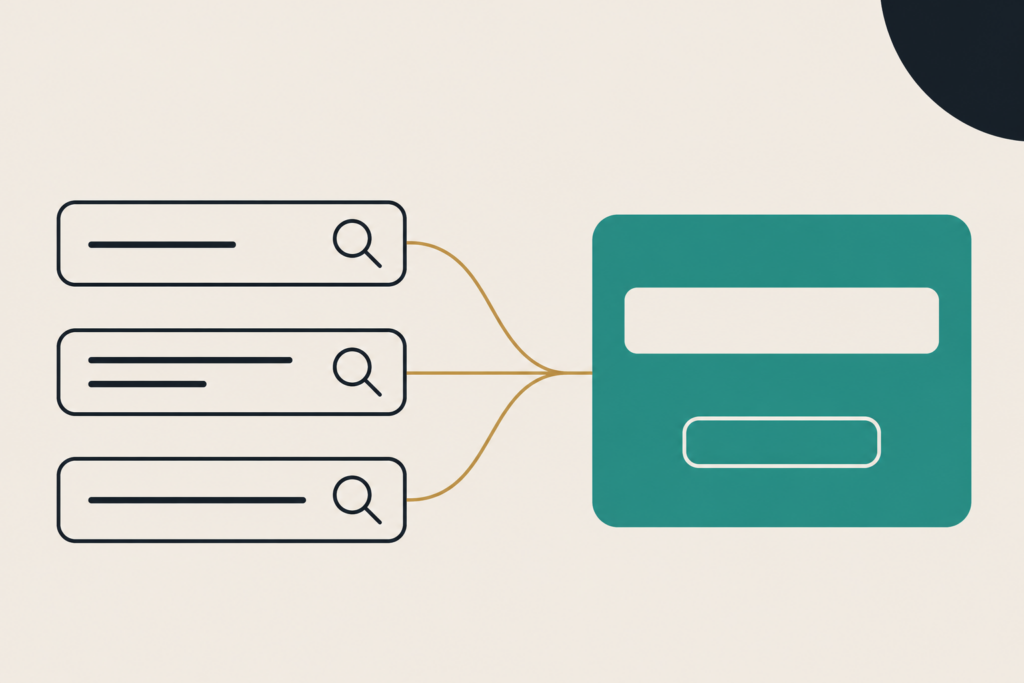
That’s potentially valuable, especially for businesses with broad product ranges or customers using unfamiliar terminology.
The question is whether the additional reach produces worthwhile customers rather than simply more traffic.
What happens when Google optimises for the wrong thing?
This is where I’d concentrate most of my attention.
Google’s automated bidding systems use the conversion goals configured in an advertising account. If a business counts every form submission as equally valuable, the system may optimise towards generating more submissions without understanding which represent genuine sales opportunities.
A request for a £50 replacement part and an enquiry about a £30,000 commercial installation could both appear as one conversion, even though their commercial value is very different.
Similarly, an automated advert might direct somebody towards a relevant page that nevertheless offers a poor route to enquiry.
Neither problem necessarily means the automation has failed. It may be successfully achieving the objective it was given, just not the objective the business actually needed.
How much control do advertisers still have?
More than some of the discussion around AI advertising suggests.
Google provides reporting on search terms, generated advertising assets and landing-page combinations. Advertisers can also use controls such as negative keywords, brand restrictions and URL exclusions to manage how campaigns operate.
The important thing is actually reviewing that information.
Are your adverts appearing for searches relevant to your most valuable services? Are generated messages accurate? Are visitors reaching suitable landing pages? Are qualified enquiries increasing alongside the conversion figures?
Google also supports importing qualified-lead and sales outcomes from customer management systems, helping connect advertising activity with what happens after someone makes contact.
That information can make the difference between optimising for enquiries and optimising for commercially worthwhile opportunities.
Should businesses turn automation off?
Not automatically.
Disabling useful features simply because they use AI could mean missing legitimate opportunities. Equally, enabling everything without reviewing the results isn’t much of a strategy.
Google provides AI Max experiments that allow advertisers to compare automated features against an existing campaign setup. Where suitable, controlled testing is a better approach than assuming automation will always improve or worsen results.
Before making major changes, I’d establish whether conversion tracking is reliable, whether the website supports the campaign’s objectives and whether the available data is sufficient to judge performance.
Only then would I start deciding which automated features deserve a larger role.
The business should still make the important decisions
Google Ads can increasingly manage the mechanics of reaching customers, but it doesn’t remove the need for a business to decide which customers it wants, what those customers are worth and how advertising fits into its wider commercial priorities.
For businesses already investing in Google Ads, reviewing those fundamentals may be more valuable than simply increasing budgets or enabling another automated feature.
At Clotho Digital, we help businesses connect advertising activity with landing pages, conversion tracking and meaningful marketing results. If you’re unsure whether your Google Ads campaigns are generating the right opportunities, we can help you assess what’s working, what needs attention and where your budget could be used more effectively.